Every camp website says “exclusive.” Most of them mean nothing by it. If you are planning a honeymoon and want real privacy, not just a nice view, you need numbers, not adjectives.
Here is what actually makes a camp private: how many tents it has, whether it sits inside a conservancy with capped bed density, and whether other operators can drive across its land. This guide ranks the most private tented camps in Kenya using those three things, plus real 2026 pricing so you know what privacy costs.
What “Private” Actually Means
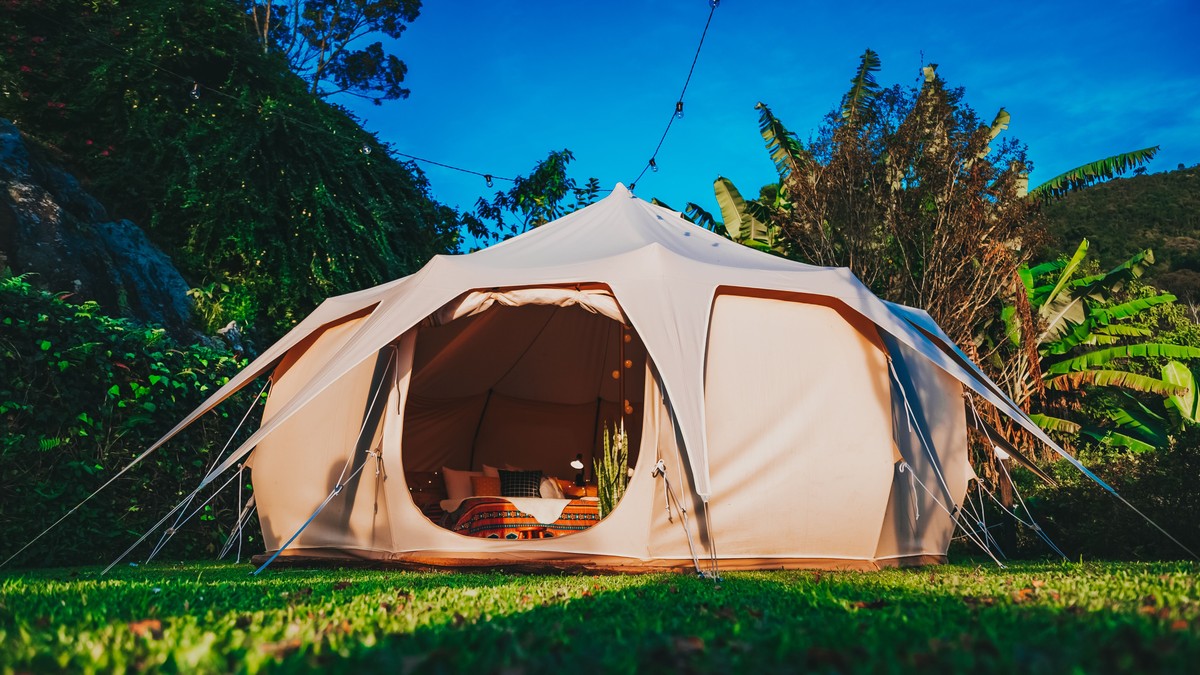
A tented camp with 40 tents inside a national park is not private, even if each tent has a plunge pool. Three things determine real privacy.
Tent count. Fewer tents mean fewer vehicles on the same patch of bush. Camps with 6 to 10 tents rarely have more than 3 or 4 game vehicles out at once. Camps with 20-plus tents can put out 10 or more.
Conservancy exclusivity. Kenya’s private conservancies, Mara North, Naboisho, Olare Motorogi, and Ol Kinyei, cap the number of camps and beds allowed inside their borders through signed agreements with the Maasai landowners. A conservancy with a strict bed-per-acre limit will always feel emptier than a national reserve, where any licensed vehicle can enter.
Traversing rights. Some conservancies grant guests from one camp the right to drive across the whole conservancy. Others restrict guests to a smaller block. Ask your camp directly which applies, because the marketing pages rarely say.
National reserves like Masai Mara National Reserve and Samburu National Reserve don’t cap vehicle numbers the way conservancies do. That’s the trade-off worth understanding before you book, and it’s part of deciding where to splurge on a honeymoon safari.
The Most Private Tented Camps in Kenya, Ranked by Tent Count and Exclusivity
Below are the camps we send honeymoon couples to most often when privacy is the top priority, grouped by region.
Cottar’s 1920s Camp sits on its own 6,000-acre private conservancy bordering the Masai Mara, near Olderikesi. It has just 8 tents and no other camp shares its concession. This is about as close as Kenya gets to having a valley to yourselves.
Serian’s The Original, in Mara North Conservancy, runs only 6 tents, each with its own deck over the Mara River. Mara North caps its total camps at roughly a dozen across 296 square kilometers, so vehicle density stays low even in July and August.
Elephant Pepper Camp, also in Mara North, has 8 tents and a long-standing reputation for guides who track leopard family lines across seasons.
Kicheche Bush Camp sits inside Olare Motorogi Conservancy, one of the strictest conservancies on bed density in the Mara ecosystem, at roughly 140 square kilometers shared between a small number of camps. It has 6 tents.
Angama Mara is larger, 30 suites split across two camps on the edge of the Oloololo Escarpment, overlooking the Mara Triangle. It is not inside an exclusive conservancy, but its position 300 meters above the valley floor means no neighboring camp shares its view or its game drive routes.
Saruni Samburu has 6 villas inside Kalama Conservancy in Samburu county, one of the few places to see gerenuk, reticulated giraffe, and Grevy’s zebra without another vehicle in sight for most of a drive.
Loisaba Tented Camp, on the malaria-free Laikipia Plateau, has 12 tents across the 58,000-acre Loisaba Conservancy, and also offers a fully exclusive-use option, Loisaba Koija Star Beds, for couples who want the whole camp to themselves.
Ol Donyo Lodge, in the Chyulu Hills near Amboseli, has just 8 rooms on a private conservancy managed with the Maasai-owned Mbirikani Group Ranch, with Kilimanjaro visible on clear mornings. If Kilimanjaro views matter to you, pair this with our guide to Amboseli honeymoon lodges with Kilimanjaro views.
Comparing the Most Private Camps
| Camp | Region | Tents/Rooms | Conservancy or Reserve | Malaria Risk | Transfer from Nairobi | Indicative Price (per person, per night) |
|---|---|---|---|---|---|---|
| Cottar’s 1920s Camp | Masai Mara | 8 | Private 6,000-acre concession | Yes | 45 min flight to Ol Kiombo airstrip | USD 900-1,300 |
| Serian’s The Original | Mara North | 6 | Mara North Conservancy (296 km²) | Yes | 45 min flight to Kicheche airstrip | USD 950-1,400 |
| Elephant Pepper Camp | Mara North | 8 | Mara North Conservancy | Yes | 45 min flight to Kicheche airstrip | USD 700-1,000 |
| Kicheche Bush Camp | Olare Motorogi | 6 | Olare Motorogi Conservancy (140 km²) | Yes | 45 min flight to Ol Kiombo airstrip | USD 650-900 |
| Angama Mara | Oloololo Escarpment | 30 | Mara Triangle (Mara Conservancy) | Yes | 45 min flight to Kichwa Tembo airstrip | USD 1,200-1,800 |
| Saruni Samburu | Samburu | 6 | Kalama Conservancy | Yes | 1 hr flight to Kalama airstrip | USD 700-950 |
| Loisaba Tented Camp | Laikipia | 12 | Loisaba Conservancy (58,000 acres) | Malaria-free | 40 min flight to Loisaba airstrip | USD 750-1,050 |
| Ol Donyo Lodge | Chyulu Hills | 8 | Mbirikani Group Ranch | Lower risk (higher altitude) | 50 min flight to Ol Donyo airstrip | USD 900-1,250 |
Prices above are indicative 2026 all-inclusive per-person rates in high season and will vary by month and by tour operator. Always confirm current rates before booking.
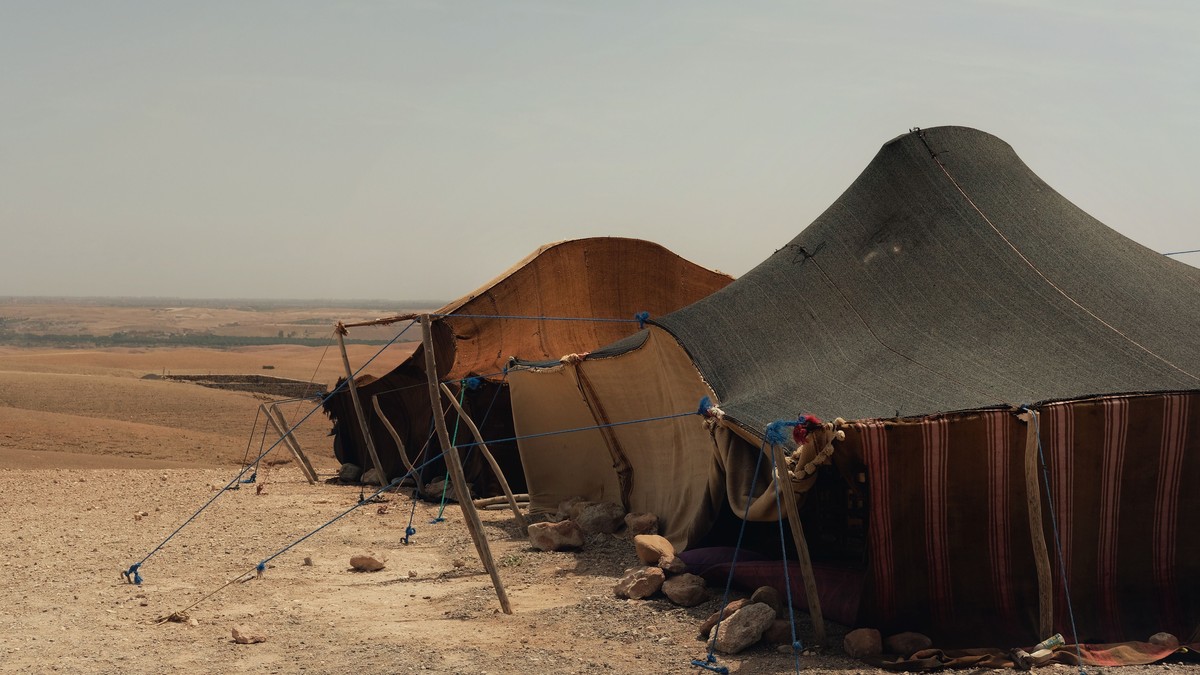
Private Conservancies Explained: Mara North vs Naboisho vs Olare Motorogi
These three conservancies get compared constantly, and each has a slightly different flavor.
Mara North Conservancy is the largest of the three at 296 square kilometers, shared by around 12 camps. It borders the Masai Mara National Reserve directly, so wildlife moves freely between the two, and guests get night drives and off-road driving, both banned inside the national reserve itself.
Naboisho Conservancy covers about 200 square kilometers and has one of the highest lion densities recorded anywhere in Kenya. It caps camps at roughly 7 across the whole conservancy, which keeps vehicle counts low even during wildebeest migration season, July through October.
Olare Motorogi Conservancy is the smallest of the three at around 140 square kilometers but arguably the strictest on bed density, with a handful of camps sharing the land. If tent count per square kilometer is your metric, Olare Motorogi usually wins.
For a honeymoon, Naboisho or Olare Motorogi tend to feel most private day to day, since both sit further from the national reserve boundary and see less through-traffic from reserve-based vehicles.
Honeymoon Touches Worth Paying For
Most of the camps above offer private plunge pools, outdoor bathtubs, and bush dinners set up away from the main dining tent, sometimes candlelit, sometimes under a blanket of stars with no other guests nearby. Sleep-outs, where you spend a night on a raised platform under mosquito netting instead of in your tent, are available at Loisaba and a few Mara North camps, usually for an extra USD 150 to 300 per couple.
If a private conservancy stay feels like too much for the budget, malaria-free Laikipia lodges like Loisaba can be a smart middle ground. Read more in our guide to malaria-free private camps in Kenya before you decide.
Is It Safe? What to Expect on Arrival
Every camp on this list uses armed or trained rangers for night escorts between your tent and the main area, since wild animals do wander through camp after dark. Electric fencing is rare at these camps by design, since fences would defeat the point of an open-plan safari camp. Staff will walk you to your tent every night and brief you on what to do if you hear an animal outside. This is normal, not a warning sign.
FAQ
What is the most private safari camp in Kenya? Cottar’s 1920s Camp, with 8 tents on its own private 6,000-acre concession, is about as private as it gets.
What’s the difference between a tented camp and a lodge? A tented camp uses canvas structures on raised platforms, usually with open-air bathrooms, while a lodge uses permanent brick or stone buildings.
Do private tented camps have electricity and wifi? Most do, though it’s often solar-powered and wifi can be patchy. Ask before you book if connectivity matters.
How many tents make a camp “private”? There’s no official cutoff, but under 10 tents is a good working rule for honeymoon privacy.
Can you book a whole camp for exclusive use? Yes. Loisaba Koija Star Beds and several Mara North camps offer full buyouts, usually for a minimum of 2 nights.
What’s the best time of year for a private honeymoon safari? June through October gives you the wildebeest migration, while January through March offers green scenery and lower rates.
The Valley Safaris Difference
We don’t just book the camp with the best photos. We match tent count, conservancy rules, and your budget against what actually matters to you as a couple, whether that’s a sleep-out under the stars or a malaria-free option for peace of mind. We’ve walked the paths between these tents ourselves, and we tell you honestly when a cheaper, less exclusive camp will still give you the honeymoon you’re picturing.
Plan Your Private Honeymoon Safari
Ready to see which of these camps fits your dates and budget? Get in touch with Valley Safaris and we’ll build a private itinerary around the tent count, conservancy, and price range that works for you.